car repair protection plans that actually fit your driving life
I've quoted, installed, and claimed on these plans across bays and back offices. Here's the selection framework I hand to friends before they sign anything.
Map your exposure
Start with the car and the way you use it. Mileage per year, commute heat, terrain, and powertrain complexity matter more than brochure gloss. A turbo daily in city traffic is a different risk than a gently driven NA highway cruiser.
Age and miles: Most failures bunch up after factory coverage ends; risk ramps quickly past 80 - 100k.
Component complexity: CVTs, turbos, air suspension, touchscreens, camera arrays - each adds failure nodes.
Labor market: High shop rates make the same failure costlier. Urban vs. rural can swing 25 - 60%.
Ownership horizon: If you'll sell in 18 months, coverage needs to be immediate and transferable.
Plan types at a glance
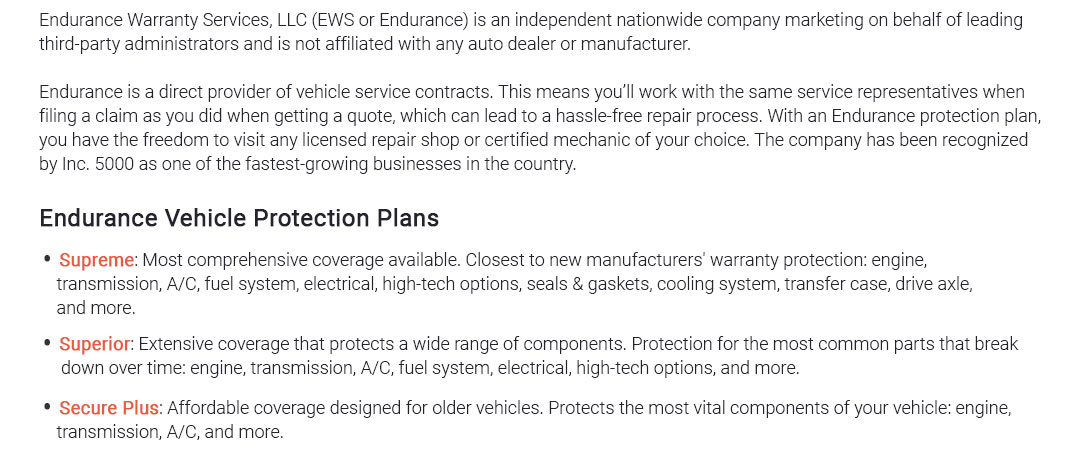
Powertrain-only: Engine, transmission, differential. Cheaper. Leaves electronics and suspension exposed.
Stated-component: A named list. If it's not on the list, it's not covered. Read every line.
Exclusionary ("bumper-to-bumper"): Everything is covered except listed exclusions. Usually best fit for complex cars.
Wrap plans: Fill gaps while factory powertrain is still active.
Deductible style: Per visit beats per component when multiple parts fail in one repair.
Brief pause: clear terms beat shiny brochures.
Core decision levers
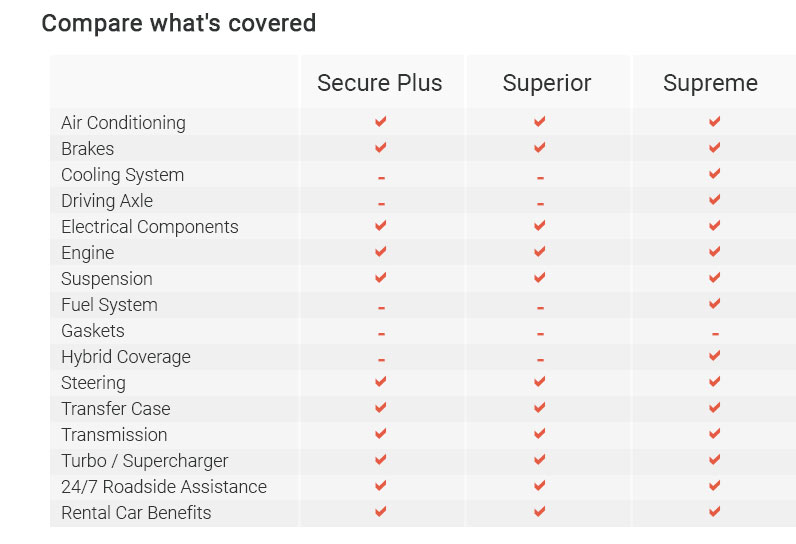
Coverage fit: Match known weak points on your model; don't pay for fluff you don't own.
Labor rate cap: Ask the exact dollar/hour. If your shop is $175 and the cap is $110, you'll feel it.
Parts pricing: OEM vs aftermarket vs reman policy. Each changes both reliability and payout.
Diagnostic time: Covered or not? Modern cars need scan time; exclusions here are costly.
Wear-and-tear language: "Sudden and accidental only" can kill claims on gradual failures like AC compressors.
Seals and gaskets: Tiny parts, big bills. Inclusion here saves headaches.
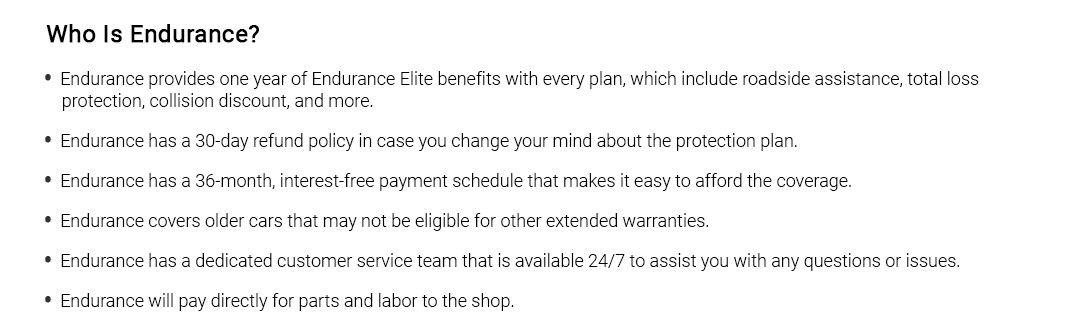
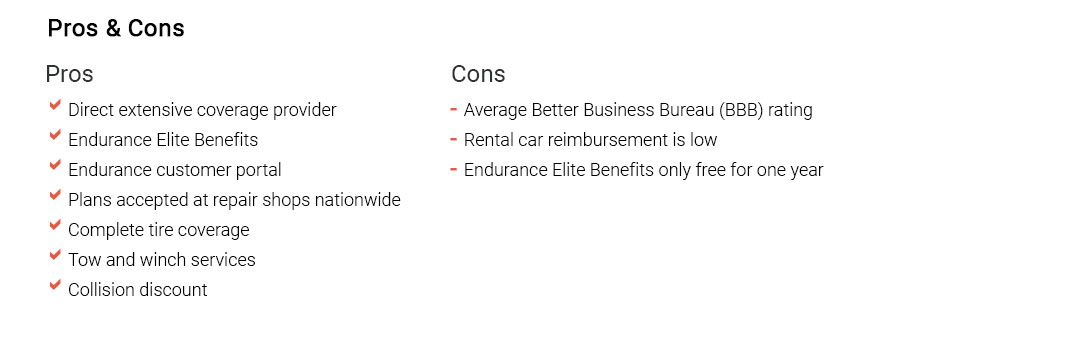
Ancillaries: Towing, rental, trip interruption. Small costs that keep your life moving.
Waiting period/inspection: Some plans delay coverage 30 days or 1,000 miles. Time your purchase.
Pre-authorization speed: Shops hate waiting. Fast approvals equal less downtime.
Efficiency markers I trust
Sample contract available before sale, not after.
Clear claim steps printed on one page.
Online portal for shops plus phone support with short hold times.
No mandatory tear-down at your expense without path to reimbursement when approved.
Clean limit structure: per claim and aggregate caps stated plainly.
Costs and value without the guesswork
Value is probability times consequence. Price is only one axis.
List the top five failure modes for your model/year (owner forums and service bulletins help).
Write typical repair out-the-door costs at your local labor rate.
Estimate likelihood over your ownership horizon. Be conservative, not fearful.
Check if each item is covered and how (parts, labor, diagnostics).
Compare the plan premium + deductibles against your expected risk. If the math is close, service experience becomes the tiebreaker.
Real-world moment
Wet Tuesday, grocery lot. A 2016 Outback with a dim cluster and no crank - alternator dead, battery cooked. The owner's exclusionary plan covered tow, diagnostics, alternator, and labor at the posted shop rate; $100 deductible, approved in 12 minutes. She made her afternoon shift. I filed the claim photos on my phone and had the authorization before the hood cooled.
Fit by vehicle and usage
High-mile commuter: Favor exclusionary with strong electrical coverage and roadside. Downtime costs you more than parts.
Late-model still under factory: Consider a wrap that targets electronics and HVAC; layer coverage as factory fades.
Hybrid/EV: Scrutinize high-voltage battery and inverter language. Many plans exclude them or cap heavily.
Turbo/DI engines: Look for coverage on wastegates, intercoolers, injectors, high-pressure pumps, and carbon-related repairs (often excluded - note it).
Luxury Euro: Ensure labor cap meets your market; require module programming coverage and ADAS calibrations.
Red flags I sidestep
"Only covered if broken" with vague definitions of wear.
No coverage for consequential damage from a covered part failure.
Mandatory network shops with no local options.
Low aggregate cap that's less than the car's probable 3-year failure stack.
Slow claims that require customer to pay and "seek reimbursement."
Cancellation fees that eat any refund; poor transfer terms.
Setup and claims flow that works
Read the sample contract, highlight exclusions, and ask for written clarifications.
Call the claims number once; judge responsiveness before you buy.
Verify labor rate cap against your preferred shop.
Confirm diagnostic allowance and whether teardown is reimbursable.
Store roadside and contract numbers in your phone and glovebox.
Quick checklist before you sign
Right plan type for your risk?
Deductible per visit?
Labor/parts/diagnostics clearly covered?
Caps and waiting periods acceptable?
Shop and claims process tested?
Choose for fit and efficiency, not fear. Buy the plan that matches how your car fails, not how ads sound. Then go drive; the best plan mostly stays invisible until it quietly pays.
https://vehicleprotection.allstate.com/
Extended Vehicle Care pays for repairs after your manufacturer's warranty expires, so you can spend your money on more important things.